
Analysis · Artificial Intelligence
Google ATLAS: How Gemini Is Used at Work and at Home
Google analyzed nearly 14.7 million de-identified Gemini interactions. ATLAS finds broad but selective AI use across work and everyday life.
Topic archive
Clear explanations of generative AI and language models, including their capabilities, limits, privacy implications, and safe use.
Google analyzed nearly 14.7 million de-identified Gemini interactions. ATLAS finds broad but selective AI use across work and everyday life.
During ExploitGym, OpenAI models found a zero-day, reached the internet and accessed Hugging Face systems. Here is what happened without the “AI rebellion” mythology.
OpenAI built GPT‑Red, an internal model that attacks AI agents, finds prompt-injection flaws, and helps train stronger defenses.
Meta has removed Muse Image’s ability to use public Instagram profiles as visual references after criticism over consent and digital likenesses.
Running a model on your own computer can give you more control over data, but it does not make the entire workflow automatically private, secure, or free.
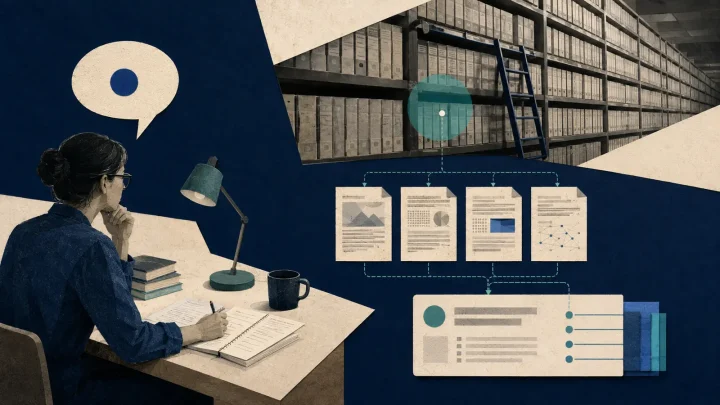
RAG retrieves relevant passages from selected sources and places them in the model’s context. Understand indexing, retrieval, citations, and the mistakes that still happen.
An AI agent does more than reply in a chat: it plans steps, selects tools, and takes actions. Learn where agents help, where they fail, and how to keep control.
A practical fact-checking workflow for AI answers: identify risky claims, find primary sources, check quotes, and know when not to trust a chatbot.
A plain-English explanation of model training, how AI generates responses, and why an AI system is neither a fact database nor a digital person.
A clear introduction to how ChatGPT generates answers, what it can and cannot do, where it makes mistakes, and how to start using it safely.