In a large data center, it is usually the heat-removal equipment—not the servers themselves—that consumes water. Meta plans to change that part of the design at its first Canadian data center. The new campus in Alberta will combine a closed liquid loop with dry coolers. According to the company, the cooling system will require no water during normal operation.
That sounds like a straightforward answer to criticism of “thirsty” data centers, but the claim has a carefully defined boundary. The site will still use some water, and the project’s energy supply raises a separate set of questions.
Meta’s first Canadian data center
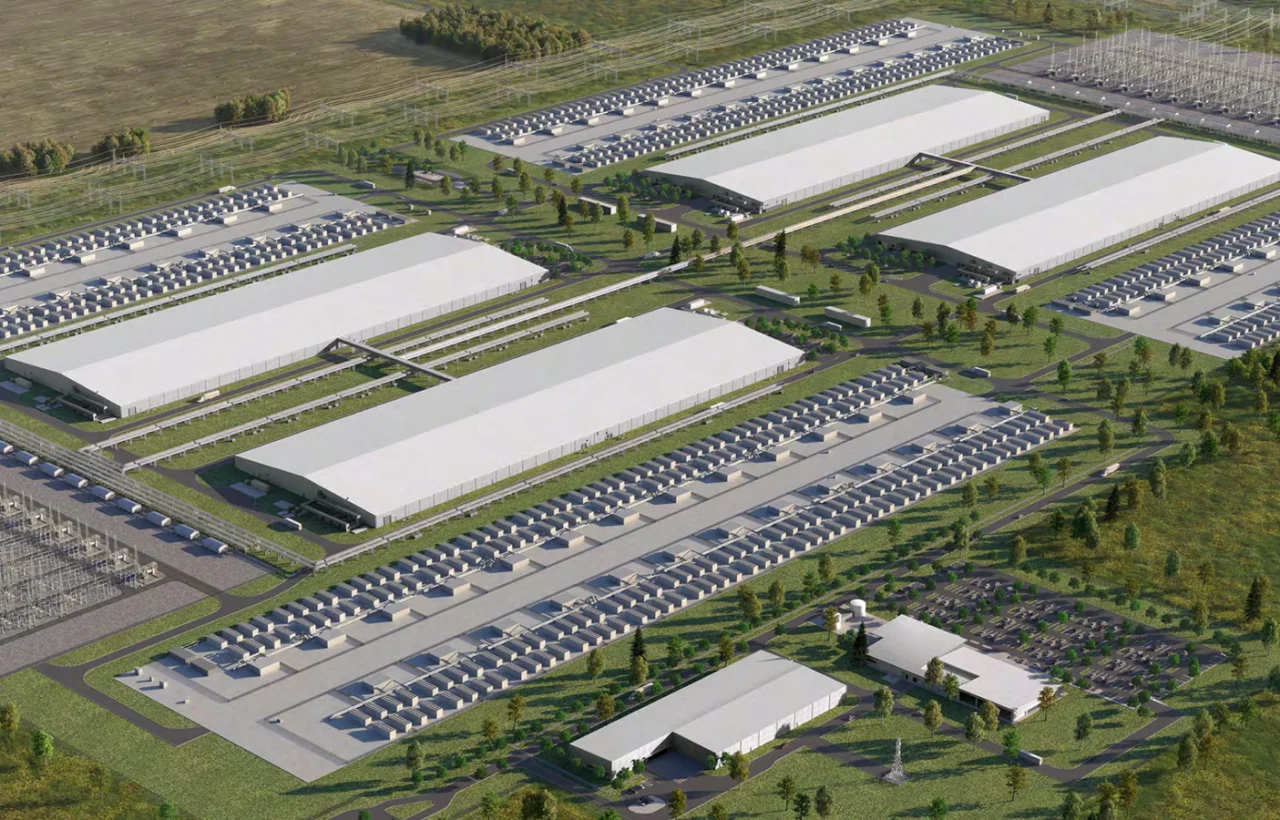
Meta announced the groundbreaking on July 8, 2026. The campus is being built in Sturgeon County, an industrial area north of Edmonton. It will be Meta’s first data center in Canada and the 33rd facility in its global fleet.
The planned campus has a capacity of 1 GW. It will be optimized primarily for AI workloads while also supporting Meta’s established services. The company puts the investment at more than CAD $13 billion. Around 3,000 workers are expected on site at the peak of construction, and the completed facility is projected to support more than 300 operational jobs. Meta also says it will spend approximately CAD $60 million on local improvements, including roads and water infrastructure.
These figures remain plans and participant estimates. Construction has only begun, so the completed campus will need to be measured against them after it enters operation.
How the dry-cooling system will work
Liquid cooling does not necessarily mean continuously consuming water. In the system Meta describes, coolant travels through sealed pipes, absorbs heat from computing equipment and carries that heat to outdoor dry coolers. Fans move air across heat exchangers, releasing heat to the atmosphere. The cooled liquid then returns to the servers and repeats the journey.
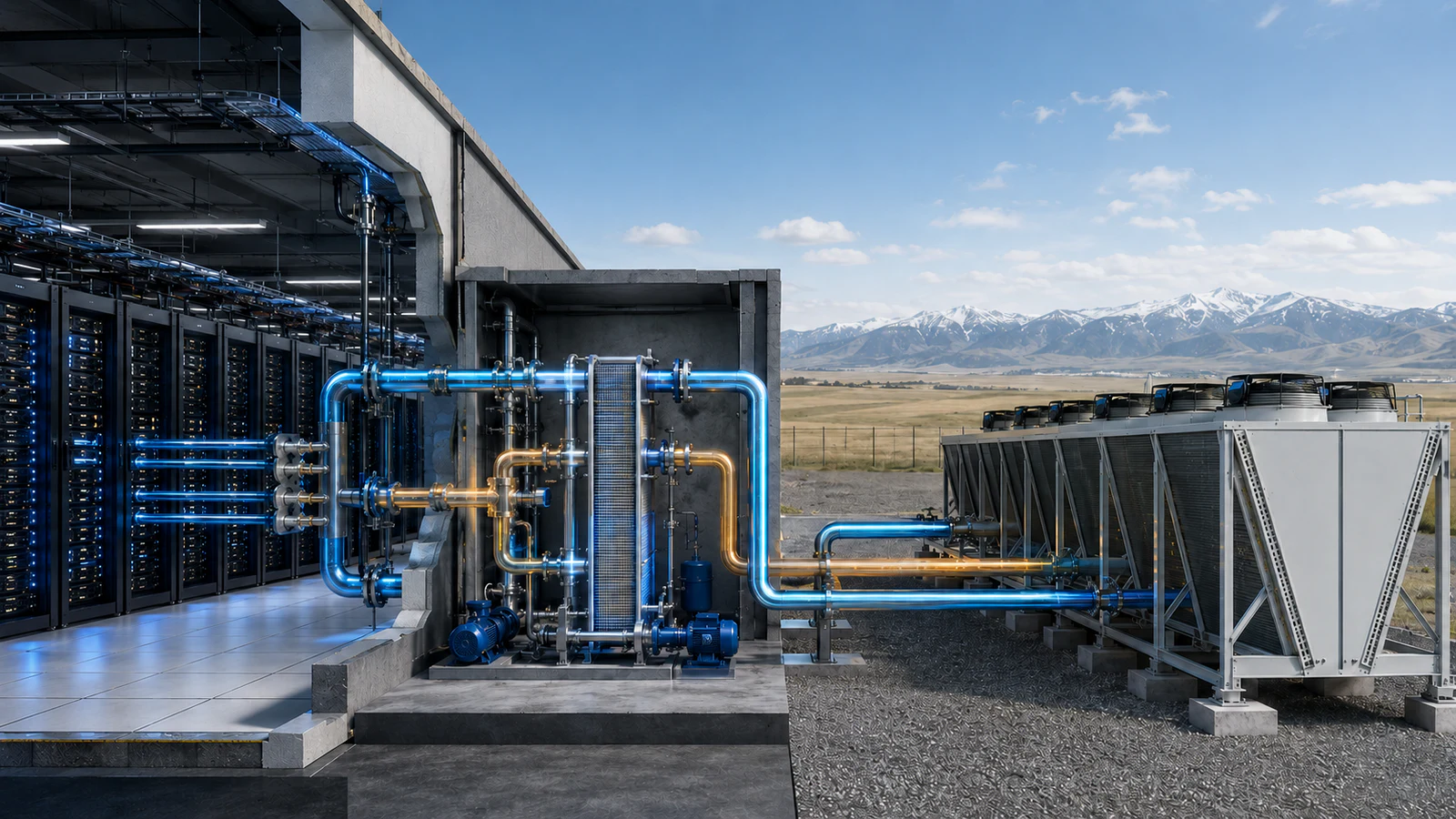
The important difference from evaporative cooling comes at the final heat-rejection stage. A cooling tower removes some heat through evaporation, so its water supply must continually be replenished. A dry cooler uses outside air and does not evaporate water during normal operation. Meta provides a broader explanation of its closed-loop approach.
This design can sharply reduce direct pressure on a community’s water supply. It still requires large heat exchangers and fans, and performance depends on outdoor air temperature. Avoiding water is therefore not a free gain: part of the trade-off moves to equipment footprint and electricity demand.
What “no operational water use” actually means
Meta chose its wording carefully: there will be no operational water use in the cooling system. The claim concerns water that would otherwise be consumed repeatedly to remove computing heat. Alberta officials separately state that the site will still need water for domestic use, fire protection and equipment maintenance.
Calling the entire data center “water-free” would therefore be inaccurate. The claim does not cover water used during construction, in manufacturing servers and building materials, or in generating electricity. Nor does it mean zero water withdrawal across the site. Any required approvals will remain subject to Alberta’s Water Act.
We explain the difference between direct consumption and the wider water footprint in Why Data Centers Use Fresh Water—and When It Becomes a Problem.
Where the electricity will come from
Water efficiency is only one part of the environmental balance. Meta says the campus’s electricity use will be matched with 100% clean and renewable energy. “Matched” is the key word: it does not mean the servers will physically run on wind, solar or another carbon-free source every hour.
Alberta’s plan combines a grid connection with new natural-gas generation. Greenlight is building a 932 MW combined-cycle gas plant to supply a major data-center development. According to co-owner Pembina, it is expected to enter service in the second half of 2030 and provide power under a long-term agreement.
A combined-cycle plant is more efficient than a simple gas turbine, but it is still fossil generation. Dry cooling may eliminate routine water consumption inside the data center’s cooling system; it does not by itself answer questions about emissions, water associated with power generation or the hourly source of electricity.
Why this project is worth watching
The Alberta project suggests that even a very large AI campus can be designed without evaporative cooling. For communities reviewing new data-center proposals, that is a meaningful precedent: heavy water consumption is not an unavoidable property of computing but a consequence of engineering choices, climate and operating priorities.
A final judgment should wait for measured results. Once the campus is operating, useful figures will include total site water withdrawal, electricity demand, performance during hot weather and environmental data from the associated power plant. Meta says it discloses facility water withdrawal and energy use each year. Those reports will show how closely the completed campus matches today’s design.
Dry cooling is a substantial step, not a universal environmental certificate. The most accurate reading is the literal one: no operational water in the cooling system does not mean no water, energy use or wider impact at all.