From November 16 to 22, OpenAI and Google introduced new models, and shares in Claude maker Anthropic started trading on Nasdaq. Google Maps expanded its trip planning tools in Europe. Samsung opened the One UI 9.5 beta, and Signal explained how it plans to limit what system assistants can read from a screen showing messages.
Here are ten developments from the week. If you missed the November 9–15 edition, you can find it in the weekly digest archive.
1. GPT‑6.2 Astra and Sol arrive in ChatGPT Work
OpenAI introduced two models on November 17. Sol is designed for everyday writing and coding. Astra is aimed at longer jobs that require working with several sources and checking the result. In ChatGPT, look for both in Work. They also come to Codex and the API. On supported personal plans, new Work sessions start with Sol by default.
At standard API rates for requests with up to 272,000 input tokens, Sol costs $2 per million input tokens and $10 per million output tokens. Astra costs $8 and $40 respectively. Our GPT‑6.2 breakdown shows how those rates translate into the cost of a request.
2. Google releases Gemini 4 Neon
On November 18, Google announced Gemini 4 Neon for work with code and large collections of material. The model supports a context window of up to one million tokens. Google positions it for tasks such as combining several reports, spreadsheets, and charts into one document. The source material and the question still determine how useful the result will be.
Google AI Pro and Ultra subscribers can look for Neon in the Gemini app’s model menu. Developers can access it through the Gemini API in Google AI Studio. Google’s launch rates were $3 per million input tokens and $15 per million output tokens. Those are API rates. In the app, access follows the terms of the subscription.
3. Anthropic lists on Nasdaq
Shares in the company behind Claude started trading on November 19 under the symbol ANT. The offering was priced at $83 a share. On November 20, Anthropic confirmed the offering had closed. After additional shares were sold, the total reached about $93.5 billion before commissions and other expenses.
About $91.6 billion of that came from shares Anthropic itself sold. The rest came from existing shareholders selling their shares. The company also closed a separate private placement for about $26 billion. These figures describe share sales. They are separate from the revenue Anthropic earns from Claude subscriptions and usage.
4. Ask Maps expands across Europe
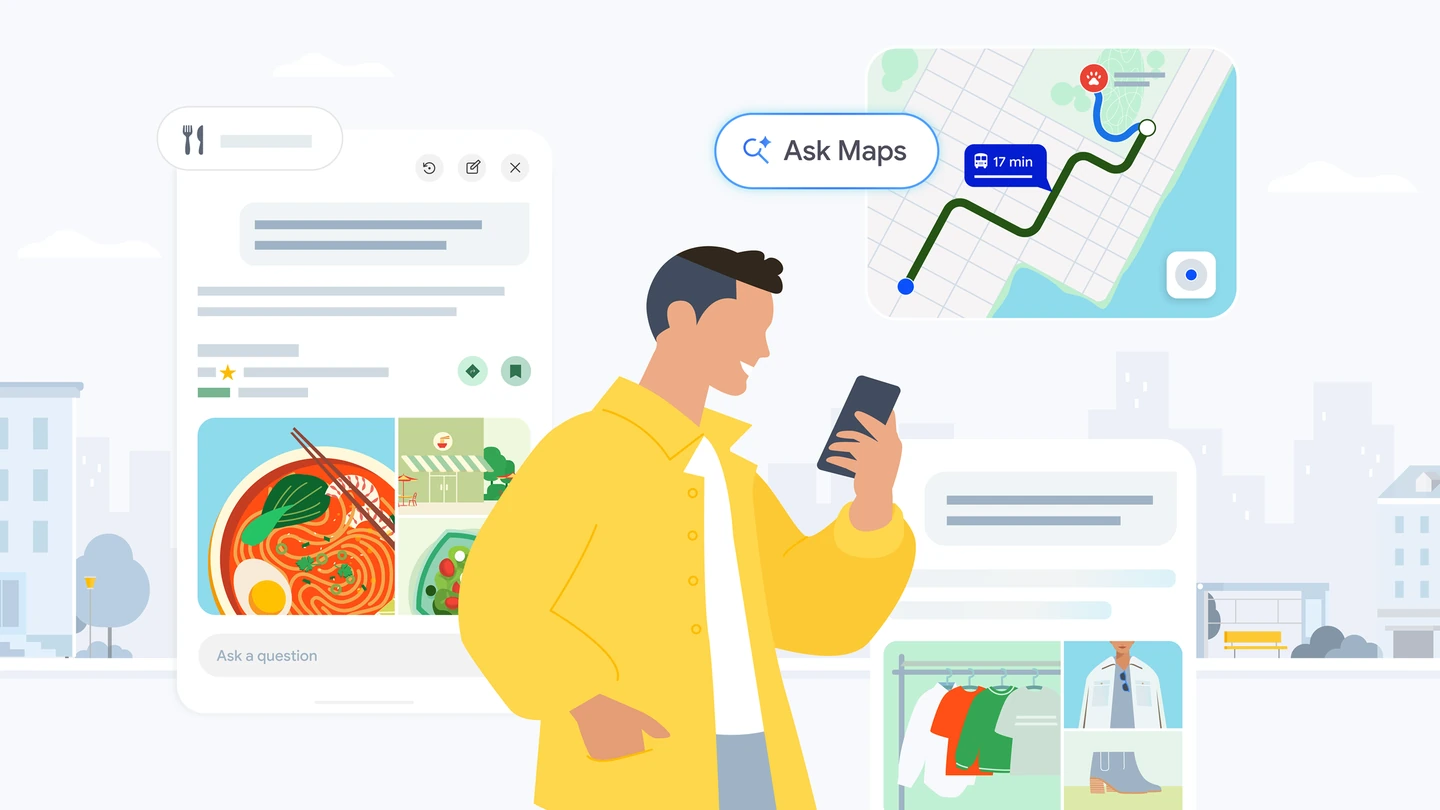
Google said on November 16 that Ask Maps was expanding to more than 30 countries across Europe. Spain, Germany, and the United Kingdom are among the named markets. The feature lets you ask Google Maps for several things at once. You might look for lunch near a train station, with outdoor seating and somewhere to leave a bike.
Google also showed trip planning with stops along the way and search within your own lists of saved places. If you already have a list of cafés for a trip, you could ask for a few along your route. Check the current listing before counting on a particular business to be open.
5. Gemini chat history and training get separate controls
On November 16, Google said it would let people keep their chat history while turning off training on text and attachments. Gemini Live audio and screen sharing have a separate control. Google plans to begin the worldwide rollout in the weeks after the announcement.
Under the new rules, Google will keep chats created with history off, as well as temporary chats, for about two months. Those conversations will stay out of the history list. Google says it keeps them to operate the service, protect users, and process feedback. Our guide to Gemini’s new history controls compares the settings and shows where to find them.
6. Signal limits screen access by system assistants
On November 20, Signal announced restrictions on screenshots in its app on iOS 27. On supported versions of Android, Signal turns on Screen security when it can detect an AI assistant trying to read the screen. The idea is to protect messages once they are open on the phone. On iPhone, Signal showed a Block Siri AI toggle in its own settings.
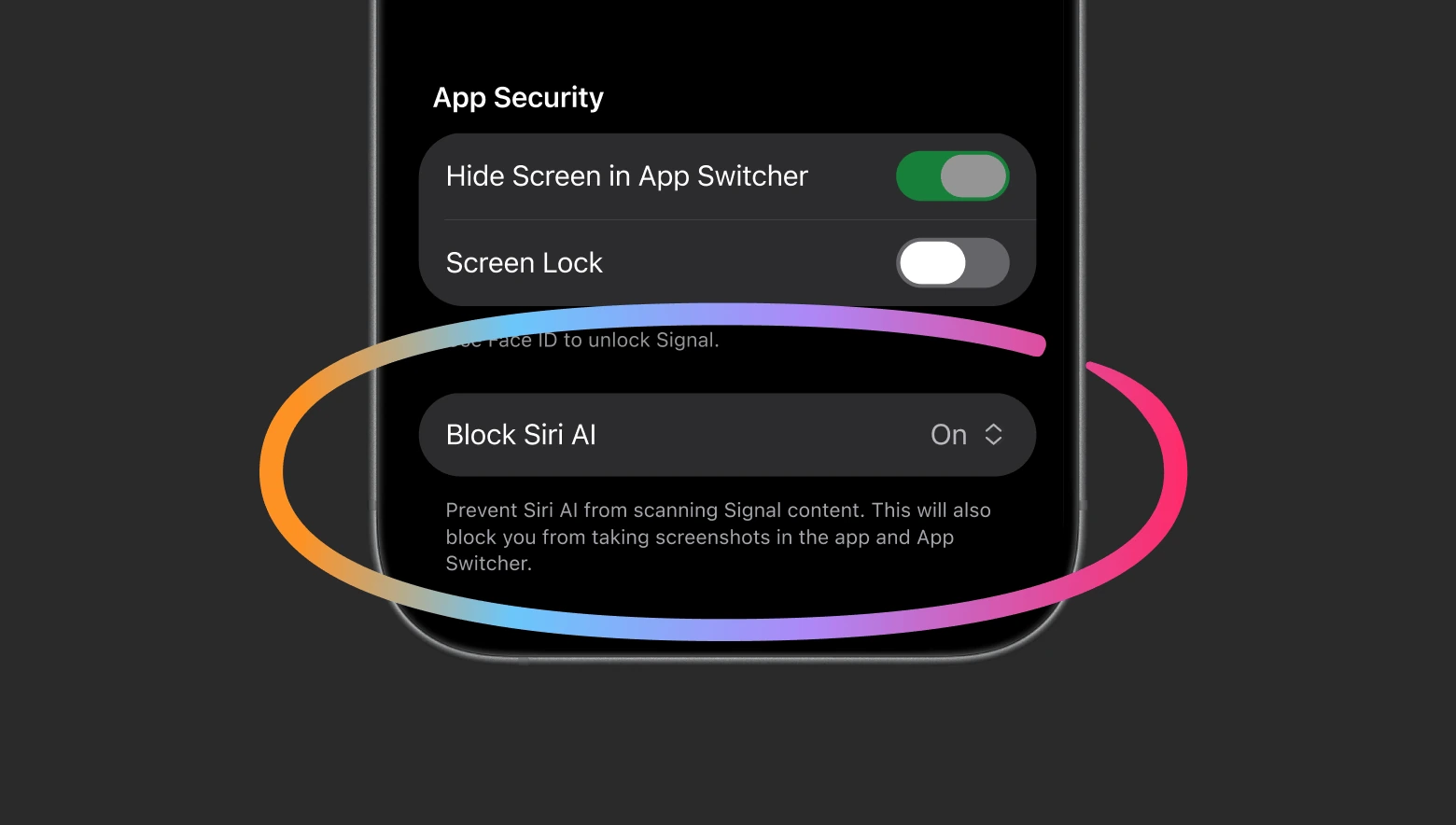
Signal says it cannot cover every Android device this way. It also cannot reliably block screenshots on macOS. For macOS 27, the team recommends adding Signal to the excluded apps in Siri’s system settings to restrict Siri AI’s proactive access to messages.
7. One UI 9.5 beta opens for the Galaxy S26 series
Samsung announced the beta on November 18 for Galaxy S26 owners in six markets, including Poland, Germany, and the United States. The update redesigns some manual camera controls and adds the Mindful Note journal to Samsung Health. App Lock protects individual apps with biometrics or the phone’s screen lock. It also hides the contents of their notifications and widgets.
Enrollment runs through Samsung Members. Returning to the previous stable release through Smart Switch resets the phone. Our One UI 9.5 beta article covers the markets, accessibility updates, and how to make a backup.
8. Google sets a date for expanding Android developer verification
On November 19, Google said it would begin the global rollout in January 2027. It will start with seven app distributors, including Google Play, Galaxy Store, and Xiaomi. The requirements will gradually extend to other installation sources on certified Android devices.
If the package is registered to a verified developer, people can keep installing the APK from an independent store or the developer’s website. There is a separate flow for unregistered builds. Its setup includes a 24-hour wait. Our Android developer verification article explains what this means for APK installs and updates.
9. Edge gets Aion Instruct as its local model
On November 19, Microsoft named Aion Instruct as Edge’s new built-in model. A website can use it to shorten or rewrite text on the visitor’s device. Edge downloads the model when it is first needed. Turning off On-device AI in settings removes the files and prevents further downloads.
A limited trial lets site owners test the Prompt API with visitors. Compatibility depends on the browser and hardware. For instance, Microsoft lists a requirement of 20 GB of free space where the Edge profile is stored. Our Aion Instruct article covers the device requirements and which parts can work offline.
10. Proton launches Lumo Desktop
On November 17, Proton released Lumo Desktop for Windows, macOS, and Linux. The assistant can find a document on the computer or in a connected service. Schedules and saved instructions support recurring work, such as gathering a short report on new files in a project folder once a week.
Proton’s help page mentions a detail that is easy to miss while connecting a service. Actions are allowed automatically by default. You can change permissions for individual actions, such as leaving email search available and asking for approval before sending. Our Lumo Desktop article explains those settings and how to schedule a task.

Join the conversation
Stay on topic and respect other readers. Your first comment may appear after editorial review.