
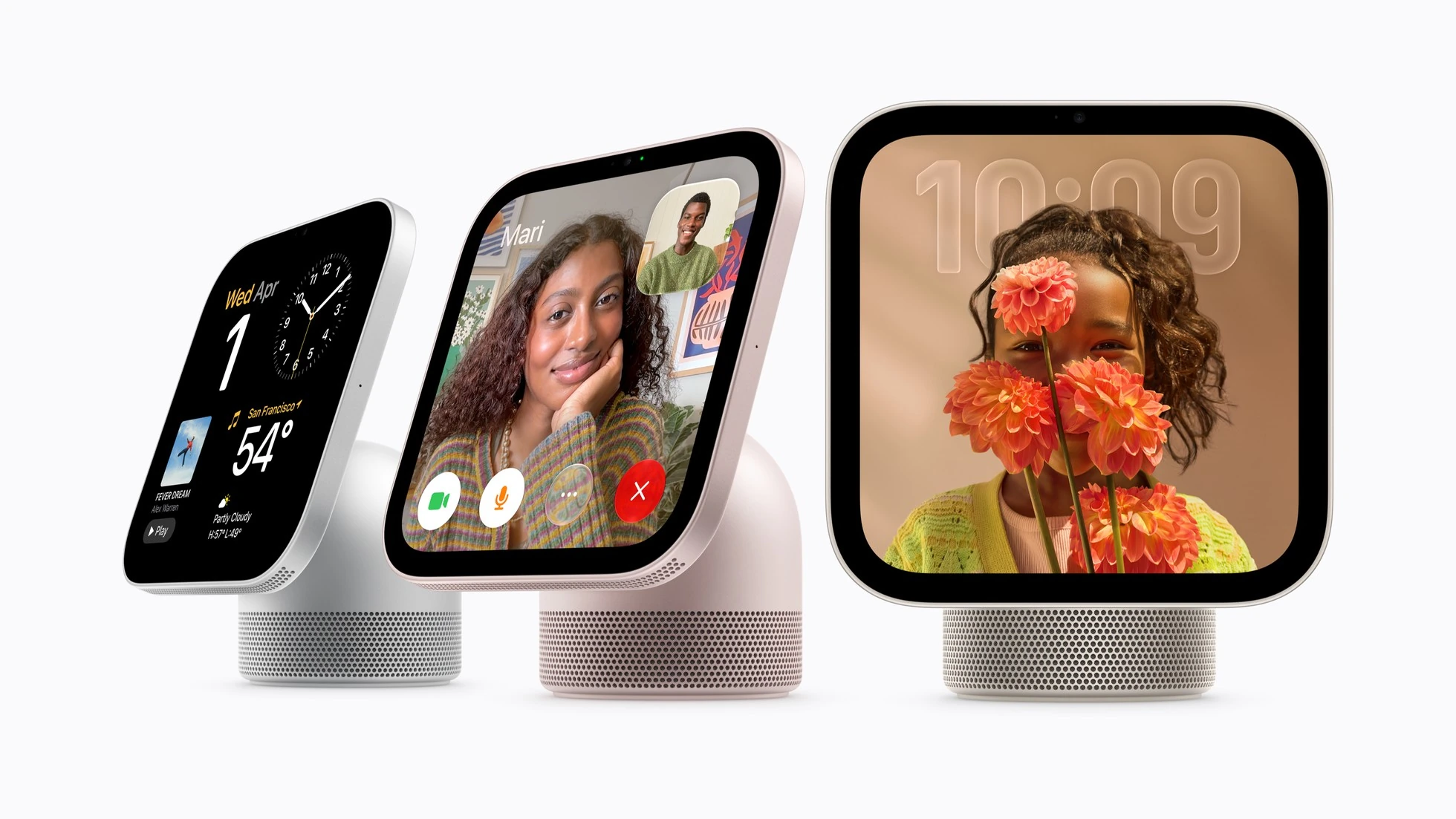
The week of November 9–15 brought several major AI updates. Google expanded access to Gemini 4, Anthropic released new Claude models, and OpenAI introduced a wallet for purchases made through an agent. Other announcements included Apple’s home display, glasses with Gemini, and useful browser changes.
Here are ten developments and what they change for users. Earlier stories are in our November 2–8 digest.
1. Anthropic updated Claude Fable and Mythos to 5.2
November 9. Claude Fable 5.2 and Mythos 5.2 are designed for demanding coding, analysis, and visual tasks. Both use the same underlying model but have different access rules. Fable has additional safeguards for cybersecurity and biology requests, while organizations apply for Mythos through verification programs.
Anthropic says the models generate responses faster and has lowered standard API pricing to $8 per million input tokens and $40 per million output tokens. An optional fast mode costs more. For everyday users, the relevant detail is which models their Claude plan includes: the announcement does not make Mythos openly available to everyone.
2. Gemini 4 Carbon expanded, and Hydrogen reached free users
November 10 and 12. Google opened wider access to Carbon, including for Google AI Ultra subscribers. Two days later came Hydrogen, a faster model for everyday work, coding, and tool use. In the free Gemini app, automatic model selection can choose it for a particular prompt.
These serve different needs: Carbon targets difficult, extended tasks, while Hydrogen focuses on faster execution of routine work. Google is also using Hydrogen to upgrade Search. Our Carbon article explains access and document work in more detail. Free access to Hydrogen does not mean unlimited use of every Gemini feature.
3. Firefox is making tracking without cookies harder
November 10. Mozilla explained how it reduces the differences between browsers that can identify people across websites. A browser “fingerprint” can combine screen, font, and hardware details. This kind of tracking does not necessarily require a stored cookie.
Firefox hides or makes some information less precise so that more people look alike to tracking scripts. That improves privacy without guaranteeing that a user cannot be recognized. Our Firefox protection article covers browser modes and site exceptions. If a particular page stops working after a settings change, an exception for that site is a more focused response than disabling protection across the web.
4. Edge compares products in open tabs
November 9. Microsoft added Copilot-powered comparisons of similar products to Edge. The browser notices product pages and offers to bring specifications and prices together. It starts reviewing those tabs in full after the user agrees.
Another addition, Checkout Savings, looks for a coupon during checkout. It sits alongside price history and cashback, but these features have different terms. Cashback is a later reward under a program’s rules, rather than an immediate reduction in the card charge. Our Edge shopping article explains those differences and availability across stores and countries.
5. Photoshop added lighting controls and smarter object removal
November 10. At Adobe MAX, the company showed new Photoshop features. Relight lets you add light sources and adjust their position, color, and brightness. The updated Remove Tool can remove details associated with an object, such as a shadow, reflection, or footprints.
This reduces some manual retouching, particularly when removing a subject leaves obvious traces behind. Adobe also announced separate beta features, so the MAX announcements should not be treated as one feature set already present in regular Photoshop. Our Photoshop 28.0 article separates the main release from beta additions and includes Adobe’s editing examples.
6. Gemini Live arrived on Apple CarPlay
November 11. Google began bringing Gemini to CarPlay. The assistant supports spoken conversations: you can discuss the day’s plans, ask follow-up questions, or return to a recent chat. Conversations sync with the iPhone, allowing you to continue after the drive.
Access to Gmail messages or calendar events depends on connected apps and account permissions. An icon on the car display does not, by itself, give the assistant access to all personal data. Getting started requires an updated Gemini iPhone app and microphone permission. Our Gemini on CarPlay article covers setup and permissions. Those settings are easier to arrange before setting off.
7. Preorders opened for glasses with Gemini
November 12. Google, Samsung, Warby Parker, and Gentle Monster introduced intelligent eyewear collections with spoken Gemini assistance. Features include photography, translation, and help based on what the camera sees. U.S. starting prices are $395 for Warby Parker and $449 for Gentle Monster.
Google names December 10 as the start of sales. Lens choice, frame size, and phone compatibility also matter: iPhone and Android support comes with specific requirements. The glasses can record people nearby, making the camera indicator and recording controls a visible part of the product. Our eyewear announcement article brings together prices, requirements, and privacy details.

8. Cloudflare introduced spending controls for Workers
November 13. Spend Management, now in beta, lets customers set spending limits and alerts for Workers and Durable Objects. This matters for services billed by usage: a surge in requests can increase the bill without a change to the monthly plan.
An alert reports spending, while a blocking limit can pause paid invocations. Controlling the bill can therefore affect application availability. Cloudflare also warns that metering delays can allow spending to exceed the threshold. Our Spend Management explanation covers alerts versus blocking, what a limit applies to, and ways to resume service.
9. ChatGPT Wallet gives agents a way to pay
November 13. OpenAI introduced ChatGPT Wallet: users add a card, review the items and total, then approve each purchase with a security check such as Face ID. The agent and merchant receive a payment token instead of the user’s actual card details.
Wallet initially rolls out through dots to adult ChatGPT Pro subscribers in the U.S. with eligible U.S.-issued cards. It is not yet a wallet available in every chat. The merchant still handles delivery, returns, and customer service. Our Wallet article explains the payment flow. OpenAI describes fully delegated purchases within preset boundaries as a future development.
10. Apple HomeView went on sale
November 13. Apple began selling HomeView, a seven-inch home display with Siri AI, FaceTime, and smart-home controls. Tabletop and wall-mounted models start at $299 in the U.S. Mounting and power components can add to the wall-mounted model’s total cost.
HomeView recognizes up to six people and shows personal content under specific conditions, including a suitable paired iPhone or iPad. It initially sells in selected countries, with English-language Siri AI; HomeView is not currently sold in the EU. Our detailed HomeView article covers packages, compatibility, and household access to personal information.


Join the conversation
Stay on topic and respect other readers. Your first comment may appear after editorial review.